
Review · ASWAN HOT AIR BALLOON RIDES
From Aswan:4 Days Nile Cruise Luxor Abu Simbel & Air Balloon
Abu Simbel, a Nile cruise, and a hot-air balloon over Luxor make this a remarkably full four-day introduction to ancient Egypt. You move from Aswan to Luxor by boat, stopping at the major temples instead of packing and unpacking for a new hotel every night. Mohamed Gobran, Mahmoud Habibi, and Ahmed Shawky Ali are among the guides associated with this experience, though your assigned guide can vary.
I like the sensible route and the way the cruise handles the awkward transport between sites. I also like the early balloon flight, which gives you a rare view of Luxor before the heat builds. The catch is simple: this is a sightseeing sprint, not a lazy cruise. Expect several starts around 4:00 or 5:00 AM, and remember that entrance tickets and customary tips cost extra.
Key points to know before booking
- Abu Simbel requires a 4:30 AM start: The long early outing is tiring, but it gets you to Ramses II’s temples as part of a small group.
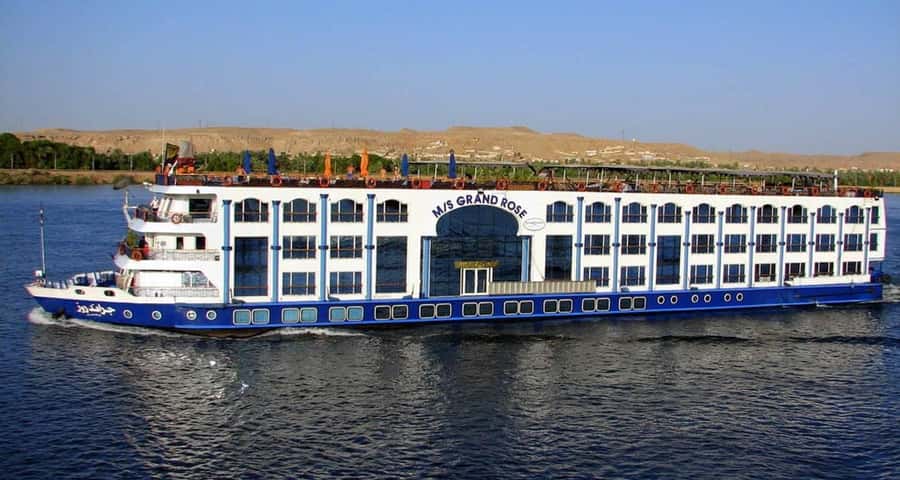
- The ship is comfortable but not always truly five-star: Cabins are generally clean, food is plentiful, and staff are warm, but the boat may be older than the label suggests.
- You see nearly every major temple between Aswan and Luxor: Philae, Kom Ombo, Edfu, Luxor, Karnak, and the West Bank are all included.
- The balloon flight is weather dependent: The flight lasts about 30 to 45 minutes, and a cancellation due to weather brings a $25 refund per person.
- The guide makes a major difference: Daily briefings, timing, ticket help, and clear explanations are recurring strengths, especially with guides such as Mohamed Gobran and Mahmoud.
- Budget beyond the $450 tour price: Site tickets are not included, and practical reports put the combined entrance fees at roughly $100 to $112, with about $19 for ship tips, though costs can change.
Why this Aswan to Luxor route works so well
This trip covers the classic Nile corridor in the direction that makes the most sense. You begin in Aswan, where the river feels broad and calm, then sail north toward Luxor through a string of ancient sites. By the end, you have seen temples, royal tombs, monumental statues, and the river valley from above.
The boat acts as your moving hotel. That matters in Egypt. Instead of checking out every morning, you return to the same cabin after each excursion. You can sit on the upper deck, watch the riverbanks slide by, and let the ship handle the distance between Aswan, Edfu, Kom Ombo, and Luxor.
At $450 per person, the price is strong for three nights aboard a cruise with transfers, guiding, meals on the ship, Abu Simbel, and the balloon ride. But do not mistake the advertised five-star description for a guarantee of a new luxury vessel. Boats can vary. Some are clean and pleasant with a pool and hot tub, while others are older and short on modern touches.
The best value comes from the organization. Airport, railway station, and hotel pickup are included, along with transfers in air-conditioned vehicles. Guides often create a WhatsApp group and explain the next morning’s plan the night before. That small service is useful when your alarm is set for 4:00 AM.
More Nile Cruise and Balloon Packages in Aswan:
- 4-Days Nile Cruise From Aswan To Luxor including Abu Simbel and Hot Air Balloon
★ 5.0 · 3,142 reviews - 4-Day 3-Night Nile Cruise from Aswan to Luxor&Abu Simbel+Balloon
★ 5.0 · 2,023 reviews - 4-Day 3-Night Nile Cruise from Aswan to Luxor including Abu Simbel, Air Balloon
★ 4.5 · 612 reviews
Day one in Aswan: High Dam and Philae Temple
Your first day begins with pickup in Aswan and check-in aboard the ship. The exact order of activities can shift with the boat schedule, but the main sights are the Aswan High Dam and Philae Temple.
The High Dam is a useful introduction to modern Egypt. It changed the flow of the Nile, helped control flooding, and created Lake Nasser. You will not spend hours here, but the stop gives context to the river you are about to follow.
Philae is the more memorable visit. The temple sits on Agilkia Island, reached by boat, and its setting gives the visit a special sense of arrival. The complex is associated mainly with Isis and includes carvings, columns, and later additions from different periods of Egyptian and Roman rule.
Your Egyptologist guide should help you read the reliefs rather than simply point out large stones. Guides such as Mohamed Gobran are praised for clear explanations, practical advice, and giving people time for photographs. That balance matters because Philae is a place where you want both a short lesson and a few quiet minutes to look around.
Some departures also offer an optional Nubian village visit for about $25. It is not part of the core program, so treat it as an extra rather than an expectation. If you want a fuller first day and your schedule allows it, this may be worth considering. If you are already tired after arriving in Aswan, save your energy for the early start ahead.
Day two: Abu Simbel before breakfast
The Abu Simbel outing begins around 4:30 AM. This is the hardest wake-up of the cruise, but it takes you to one of Egypt’s most powerful ancient sites.
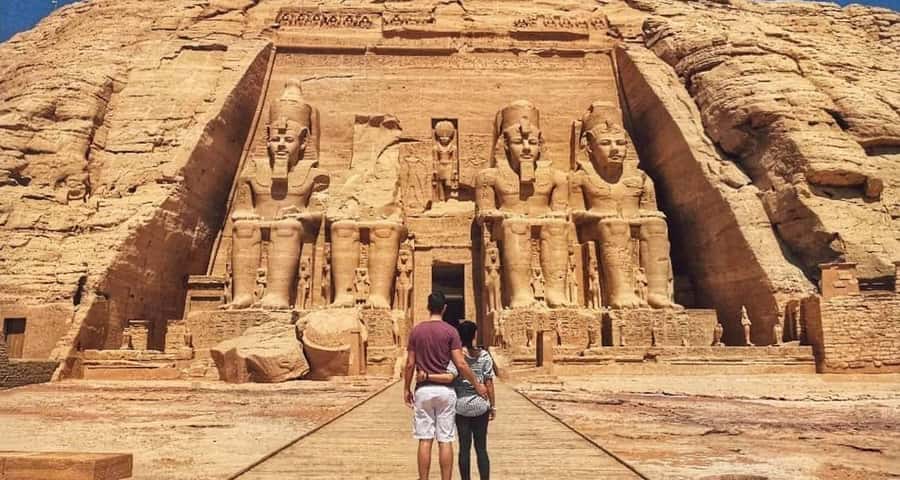
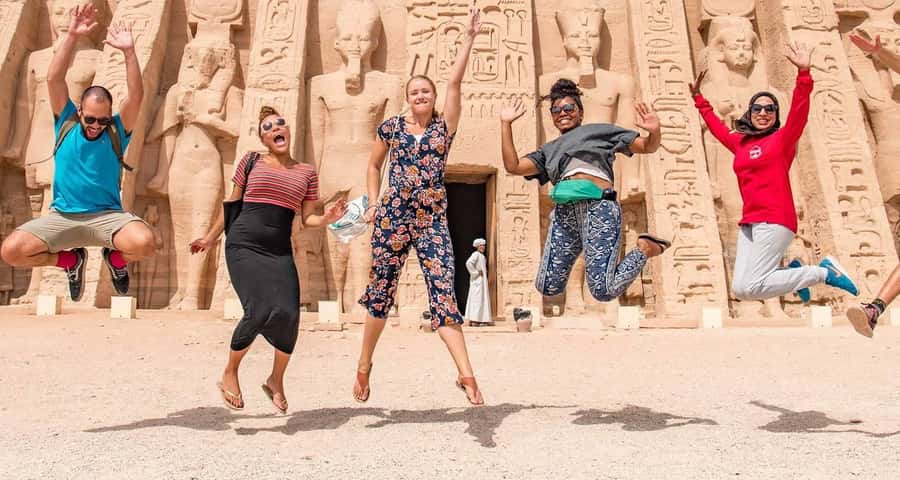
The temples were cut into the rock during the reign of Ramses II. The larger temple is fronted by four enormous seated figures of the king. Inside, huge halls and carved walls tell the story of royal power, religious devotion, and military victories. The smaller temple honors Nefertari and is dedicated to Hathor, giving the complex a more personal and balanced feel.
You go by road in an air-conditioned vehicle as part of a small group, with an English-speaking guide for the Abu Simbel visit. The ride is long enough that you should bring water, a passport, comfortable clothing, and something small to eat if you do not handle early starts well. Breakfast boxes are provided on some early excursion days, but the quality has been described as basic.
Abu Simbel is worth the lost sleep, but the timing affects the rest of your day. After returning, you may have time to rest before the ship sails toward Kom Ombo. Use it. There is no prize for remaining on deck every minute.
Kom Ombo is unusual because it is a double temple. One side honors Sobek, the crocodile god, while the other honors Horus the Elder. The shared layout makes the site easy to understand with a guide, and the reliefs include medical instruments and other details that reward a closer look.
The temple is especially atmospheric near sunset, when the warm stone catches the last light. It is also a good example of why guided sightseeing helps. Without context, the unusual two-god design can seem confusing. With a clear explanation, the layout becomes one of the stop’s best features.
Day three: Edfu and the arrival in Luxor
Edfu brings you to the Temple of Horus, one of the best-preserved temple complexes in Egypt. Its massive gateway, broad courtyards, and intact reliefs give you a strong sense of how these places once looked before centuries of weather and human reuse took their toll.
The morning visit is often early, which works in your favor. Temperatures are lower, and you can study the tall walls before the day becomes harsh. The schedule is tight, so listen carefully to the meeting time. A guide may allow space for photographs and browsing, but the ship cannot wait indefinitely.
The cruise then continues toward Luxor. This is one of the moments when the boat earns its keep. You can eat, rest, sit by the pool, or watch villages and fields pass along the river. The upper deck is a pleasant place to spend the afternoon, though the heat can be intense in summer.
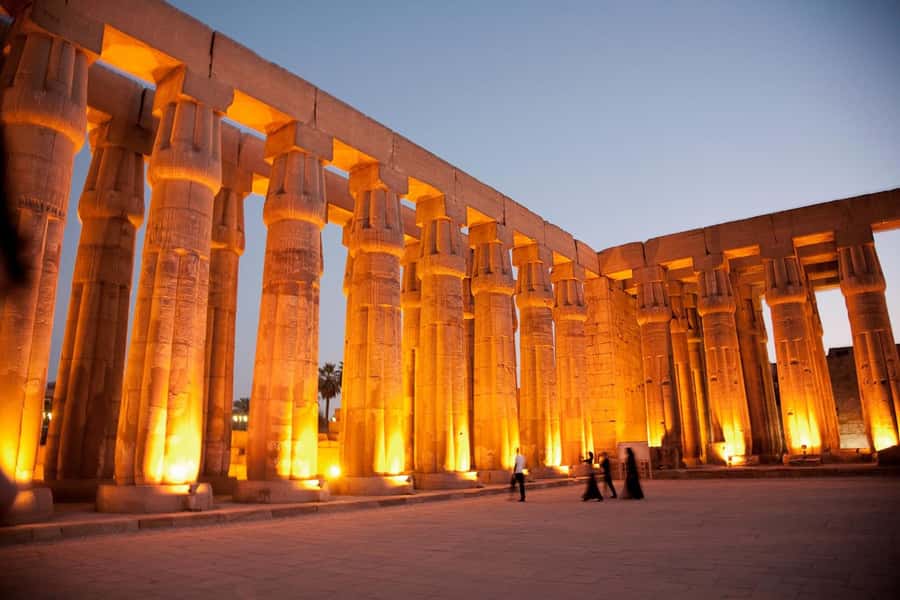
That evening brings Luxor Temple, often illuminated after dark. It is a fine contrast to the daytime visits. The columns and statues take on a different mood under artificial light, and the setting in the modern city reminds you that ancient monuments are not isolated museum pieces. They remain part of everyday Luxor.
The long days can catch up with you here. One person may feel the schedule is exciting and efficient, while another may wish for more time at each site. I would choose this cruise for coverage, not for slow archaeological study.
More Abu Simbel and Balloon Tours in Aswan:
- 4-Days Nile Cruise From Aswan To Luxor including Abu Simbel and Hot Air Balloon
★ 4.5 · 509 reviews - 4 Days Nile Cruise from Aswan to Luxor including Abu Simbel and Hot Air Balloon
★ 4.5 · 356 reviews - 4-Day 3-Night Nile Cruise from Aswan to Luxor With Balloon and Abu Simbel
★ 5.0 · 327 reviews - 4-Days Nile Cruise Aswan&Luxor,Hot Air Balloon&Abu Simbel.Hot deal
★ 5.0 · 322 reviews
Day four: a balloon over Luxor
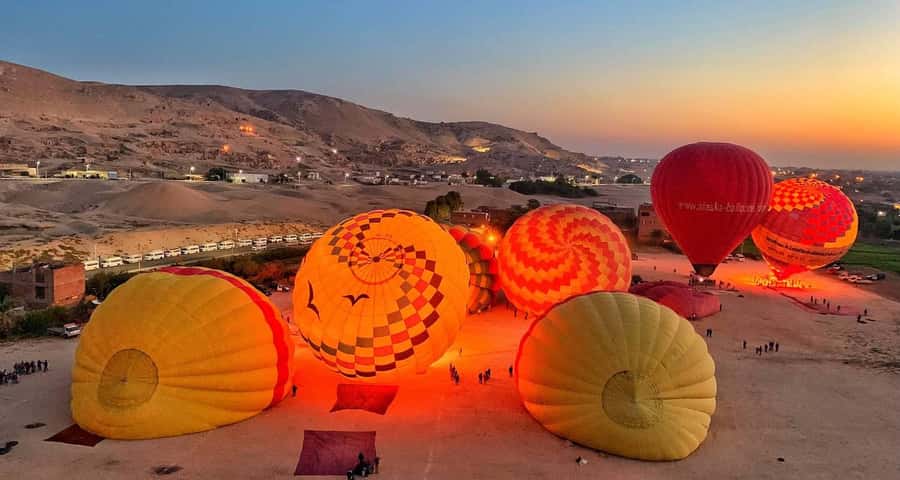
The hot-air balloon flight begins around 5:00 AM and lasts roughly 30 to 45 minutes. You cross to the West Bank and rise above Luxor’s temples, fields, and desert edge as the day begins.
This is one of the most distinctive parts of the program. From ground level, the monuments can feel spread across a busy route. From the balloon, you get a wider view of how the Nile supports a narrow green strip surrounded by dry desert. The perspective helps connect the sites you have visited over the previous days.
The flight is not guaranteed. Wind and other weather conditions can cancel it, in which case the stated refund is $25 per person. One practical point: the flight may not always take place at sunrise, so keep your expectations flexible. It remains worthwhile even when the timing shifts.
Children must be at least six years old to fly. If you are nervous about the early start, remember that you will already be awake for the West Bank tour. The balloon is not a relaxed late-morning add-on. It is the opening act for another full day.
The West Bank: tombs, statues, and Queen Hatshepsut
After the balloon ride, the West Bank itinerary includes the Colossi of Memnon, the Valley of the Kings, and the Temple of Queen Hatshepsut.
The Colossi of Memnon are two giant seated statues that once guarded the entrance to a much larger temple. The stop is brief, but the scale gives you an immediate reminder of the power ancient rulers wanted to project.
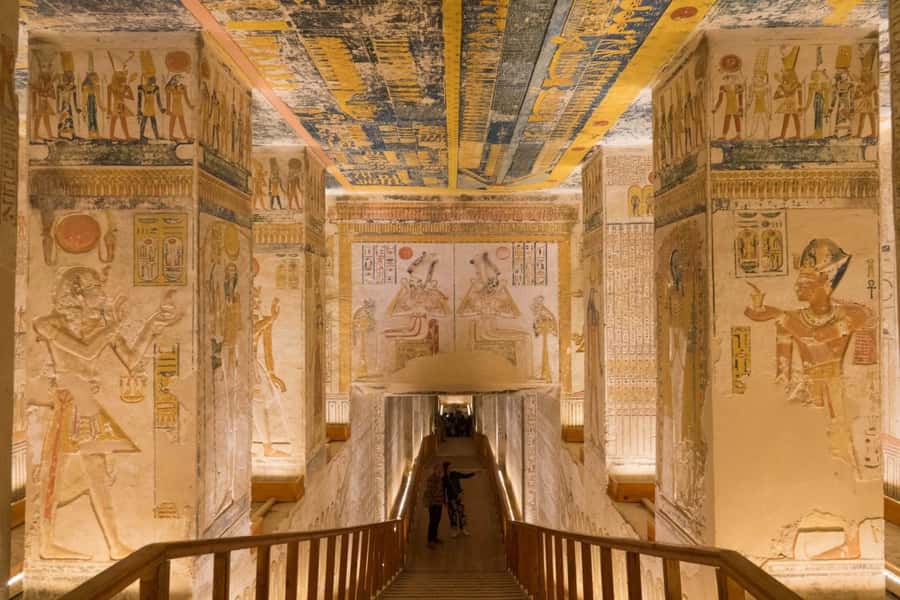
The Valley of the Kings is the day’s major visit. Instead of building pyramids, many New Kingdom pharaohs had tombs cut into the cliffs. The corridors lead down into decorated burial chambers, where painted scenes were meant to guide the dead into the next world.
Entrance to every tomb is not included in the tour price, and the number of open tombs can vary. Ask your guide which options are included and which require an extra ticket. The Valley can be hot, crowded, and physically demanding, so carry water and wear shoes you can manage on uneven ground.
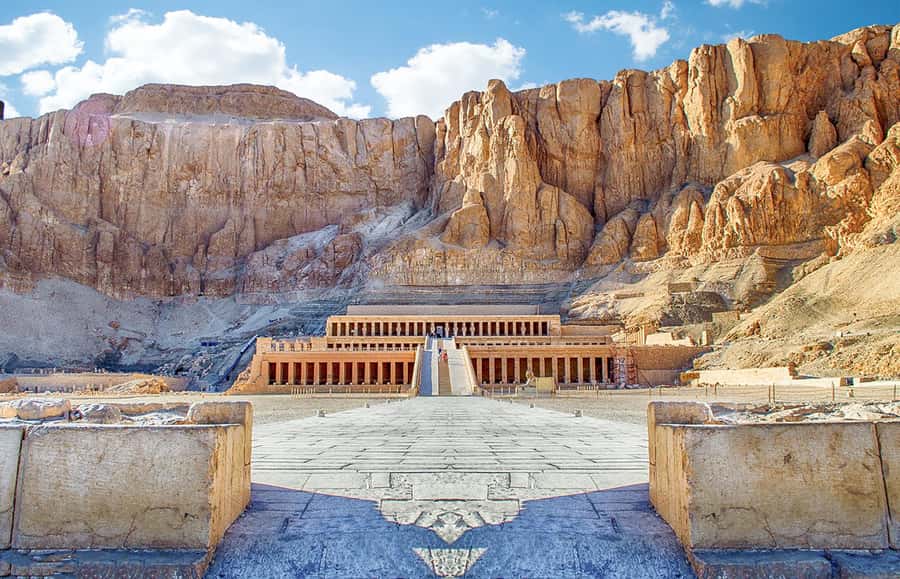
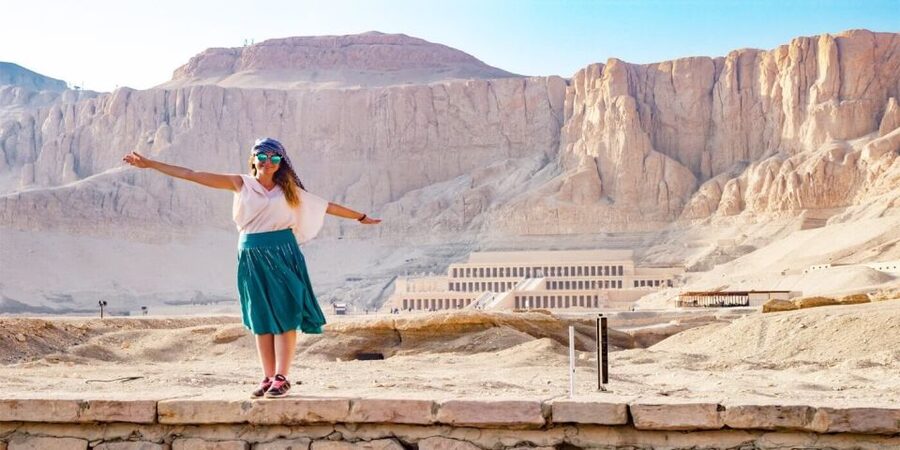
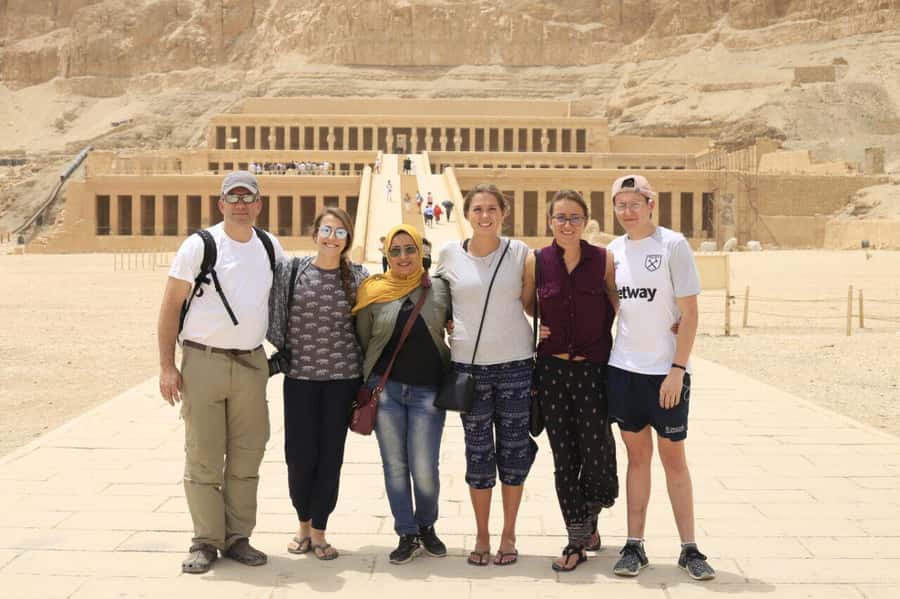
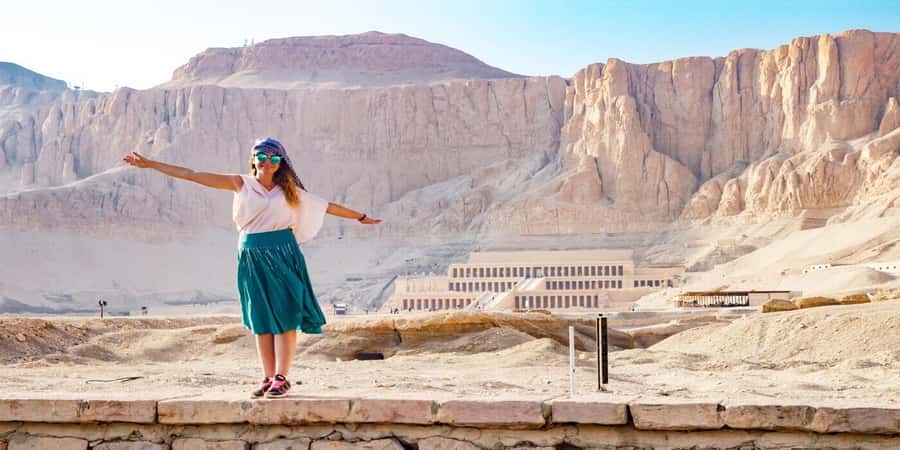
Hatshepsut’s temple is dramatically set against the cliffs. Its terraces and long ramps create a different look from the enclosed temples at Edfu and Kom Ombo. Your guide can explain how Hatshepsut presented her rule and why her reign remains unusual in Egypt’s royal story.
Guides such as Mahmoud Habibi and Ahmed Shawky Ali are praised for keeping groups together, explaining the sites in plain language, and helping people avoid the worst queues. That practical control is valuable on the West Bank, where a few lost minutes can become a long wait in the heat.
Karnak brings the trip to a grand finish
Karnak is not one temple but a huge religious complex built and expanded over many centuries. The Great Hypostyle Hall, with its forest of towering columns, is the visual climax. You need a guide to put the scale into perspective, since it is easy to see only a series of impressive rooms without understanding how the complex developed.
This final visit can feel overwhelming after several early mornings. Still, it is a fitting ending. Philae is elegant and island-bound, Edfu is remarkably intact, and Abu Simbel is monumental. Karnak shows you the full weight of Egypt’s long temple tradition.
The final transfer usually takes place around 3:00 to 4:00 PM, with the tour ending in Luxor around 4:00 to 5:00 PM. Book an onward flight after 6:00 PM if you are leaving by air. Transfers to Luxor Airport, the railway station, or a hotel are available, but confirm the hotel location. One practical note from the arrangements: the free final hotel transfer may apply only to hotels on Luxor’s East Bank. A West Bank transfer can cost extra.
What the boat is really like
The ship gives you a clean cabin, meals, a sun deck, and a place to relax between excursions. Several boats are used, so you do not know the exact vessel until close to departure. This is the largest uncertainty in the package.
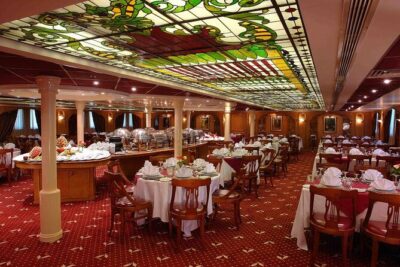
Cabins are generally described as spacious enough and in good order. Staff receive strong marks for warm service and attention to housekeeping. Some boats have a pool or hot tub, and sitting on the upper deck with a drink while the Nile passes by is one of the cruise’s simple pleasures.
Food is usually served buffet style, with plenty of choice at breakfast, lunch, and dinner. Many meals are described as fresh, warm, and tasty, with fruit, desserts, and vegetarian options. A few assessments found the food average or said the early breakfast boxes were disappointing. I would expect adequate to good food rather than a culinary trip.
Do not count on reliable Wi-Fi. It may cost extra, and it has not always worked. Bring mobile data if staying connected matters to you. Rooms may also lack a kettle, so carry tea bags and a small travel kettle only if that is important to your routine and permitted by your airline and accommodation rules.
Guide quality and group handling
The guide is the part of this tour most likely to shape your experience. Names connected with especially strong service include Mohamed Gobran, Mahmoud Habibi, Ahmed Shawky Ali, Amr Diefallah, and Saber, but you cannot assume one specific guide unless the operator confirms it.
The best guides do more than recite dates. They explain what you are seeing, set clear meeting points, warn you about aggressive vendors, help with tickets, and answer questions after the formal talk. Mohamed Gobran is especially associated with organized daily communication and an easy sense of humor. Mahmoud is praised for kindness and care with group members. Ahmed Shawky Ali is noted for helping with airport arrangements and practical shopping advice.
Group size can affect how personal the experience feels. One guide may be responsible for a large group, yet still provide useful explanations and individual help. If you need extensive one-to-one attention at every site, a private tour would likely suit you better.
Extra costs, tips, and the real value
The $450 price covers a lot: three nights on the ship, transfers, guiding, Abu Simbel, the balloon flight, and the main sightseeing program. It is good value if you want the major Nile sites in a short time and prefer one organized package.
It does not cover entrance fees. Recent practical estimates put the tickets at about $100 to $112 per person, though exact charges can change. Ship and driver tips are customary, with about $19 for crew tips mentioned as a useful working figure. Carry small US dollar bills if possible, since tips are often easier that way.
Meals on the cruise are generally included, but personal drinks, shopping, optional outings, and anything not listed are extra. The optional Nubian village visit costs about $25. Keep a little spare cash for small purchases and tips, but do not assume every extra charge is included in the headline price.
Cancellation is flexible up to 24 hours before departure, and you can reserve now and pay later. Pickup details are normally confirmed the day before arrival.
Who should book this cruise?
Book it if you want to see the main ancient sites without arranging every car, boat, ticket, and hotel yourself. It suits first-time visitors to Upper Egypt, families with children old enough for the balloon flight, and anyone who values a capable guide and a fixed plan.
It is also a good match if Abu Simbel is high on your list. Reaching it independently can take more planning, while this program folds it into the Aswan to Luxor route.
Think twice if you want a quiet luxury cruise. The boat may be older than expected, Wi-Fi may fail, and the daily schedule leaves little time for unplanned wandering. You should also be comfortable with very early starts and several hours of sightseeing in the heat.
Should you book it?
I would book this tour for its route, coverage, and practical organization. The combination of Abu Simbel, Philae, Edfu, Kom Ombo, Luxor, Karnak, the Valley of the Kings, and a balloon ride is hard to match in only four days.
Go in with the right expectations: excellent sightseeing, variable ship quality, and a demanding schedule. Set aside money for tickets and tips, confirm your final hotel transfer, and plan an evening departure from Luxor. If you want Egypt’s major Nile sights efficiently, this is a strong choice. If you want to drift slowly down the river, add extra nights in Luxor and choose a longer cruise.
FAQ
How long is the Nile cruise?
The experience lasts four days and includes three nights aboard a Nile cruise ship, traveling from Aswan to Luxor.
What attractions are included?
The program includes the Aswan High Dam, Philae Temple, Abu Simbel, Kom Ombo, Edfu, Luxor Temple, Karnak Temple, the Valley of the Kings, Queen Hatshepsut’s Temple, and the Colossi of Memnon.
Is Abu Simbel included?
Yes. The Abu Simbel excursion is included, with an early departure around 4:30 AM and an English-speaking guide.
Is the hot-air balloon ride included?
Yes. The ride is included and lasts about 30 to 45 minutes. It requires children to be at least six years old and may be canceled for weather. A weather cancellation brings a $25 refund per person.
Are entrance tickets included in the $450 price?
No. Entrance tickets for the temples and attractions are paid locally and are not included in the tour price.
What time does the tour finish in Luxor?
The final day generally ends around 4:00 to 5:00 PM. An onward flight after 6:00 PM is recommended.
Can I be picked up from an airport, railway station, or hotel?
Yes. Pickup and drop-off are available from Aswan and Luxor airports, railway stations, and hotels, subject to the stated transfer area.
Is the cruise suitable for children?
Children can join, with special child pricing when sharing a room with parents. A maximum of two children can share a room with their parents, and children must be at least six years old for the balloon flight.
More Four-Day Trips in Aswan
- 4-Day Nile Cruise sails Aswan to Luxor&Abu Simbel.Hot air Balloon
★ 4.5 · 247 reviews - 4-Day Nile Cruise Aswan and Luxor Hot Air Balloon with Abu Simbel
★ 5.0 · 234 reviews - 4 Days Nile Cruise From Aswan To Luxor Including Abu Simbel & Hot Air Balloon
★ 5.0 · 78 reviews - Aswan: 4-Day Egypt Private Tour with Nile Cruise, Balloon
★ 4.3 · 76 reviews
New this week over Aswan
- 4-Days Nile Cruise From Aswan To Luxor Abu Simbel and Air Balloon★ 4.5 · 2 reviews
- (3-Nights Cruise From Aswan To Luxor & Balloon, Abu Simbel)★ 4.5 · 23 reviews
- 4 Days Nile Cruise &Hot Air Balloon on M/S Movenpick Royal Lilly★ 5.0 · 4 reviews
- 8 Nights Egypt Tour,Cairo,Luxor,Aswan&Abu Simbel,Nile Cruise,Hot Air Balloon★ 4.5 · 11 reviews
- 4-Day Nile Cruise: Aswan to Luxor & Abu Simbel + Hot Air Balloon★ 4.5 · 35 reviews
- Luxor: 4-Night Nile cruise , Hot Air balloon , west bank , abu simbel★ 5.0 · 3 reviews
- Amazing 2 Nights Cruise From Aswan to Luxor including Tours and Hot Air Balloon★ 5.0 · 5 reviews
- 3-Nights Cruise From Aswan To Luxor, Hot Air Balloon,Abu Simbel★ 4.5 · 46 reviews
Aswan Hot Air Balloon Rides, compared.
4-Days Nile Cruise From Aswan To Luxor including Abu Simbel and Hot Air Balloon
Read our review →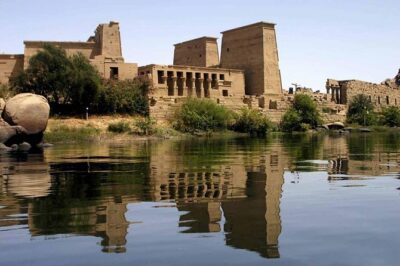
4-Day 3-Night Nile Cruise from Aswan to Luxor&Abu Simbel+Balloon
Read our review →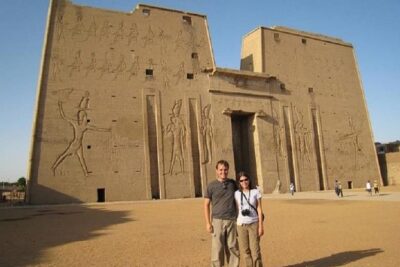
4-Day 3-Night Nile Cruise from Aswan to Luxor including Abu Simbel, Air Balloon
Read our review →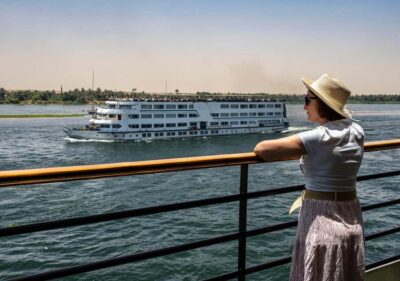
4-Days Nile Cruise From Aswan To Luxor including Abu Simbel and Hot Air Balloon
Read our review →4 Days Nile Cruise from Aswan to Luxor including Abu Simbel and Hot Air Balloon
Read our review →
4-Day 3-Night Nile Cruise from Aswan to Luxor With Balloon and Abu Simbel
Read our review →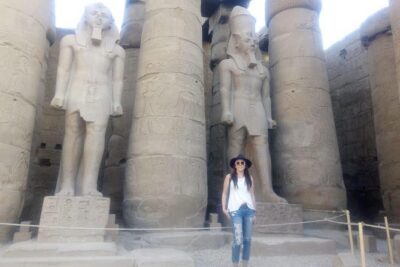
4-Days Nile Cruise Aswan&Luxor,Hot Air Balloon&Abu Simbel.Hot deal
Read our review →Lists this flight appears in