
Review · ASWAN HOT AIR BALLOON RIDES
3 Nights Cruise Aswan to Luxor including Abu Simbel, Nubian Village&Air Balloon
The best part of this four-day trip is how much it fits into one smooth route: a Nile cruise, Abu Simbel, and a Luxor balloon flight without forcing you to arrange separate hotels, transfers, and day tours. You move from Aswan’s granite islands to the great temples of Upper Egypt, with meals and an Egyptologist guide along the way.
I especially like the visit to a Nubian family on Soheil Island, which gives the cruise a human touch beyond monuments. I also like the guides’ strong personal service, with names such as Mohamed Wafa, Mohamed el Khady, Ahmed, Hany Soliman, and Sabry praised for clear explanations and practical help.
The tradeoff is the schedule. Abu Simbel begins around 4:30 a.m., the balloon pickup can be as early as 5:30 a.m., and some ships are older than their five-star label suggests. Plan on naps, modest expectations about onboard luxury, and extra money for entrance fees, the Philae boat, drinks, Wi-Fi, and tips.
Key points to know before booking
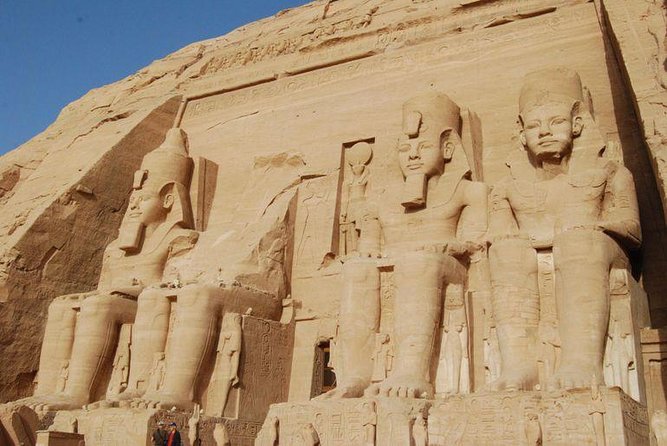
- Abu Simbel is a long but worthwhile morning: You leave around 4:30 a.m. in a shared bus or minibus, spend time at the temples, and return to the ship around midday.
- The balloon flight is weather dependent: The included flight lasts about 30 to 40 minutes, but a cancellation due to bad weather brings a $30 per-person refund.
- Your guide can shape the trip: Mohamed Wafa, Mohamed el Khady, Ahmed, Hany Soliman, and Sabry have all been associated with especially attentive, detailed guiding.
- The cruise is full board, not all inclusive: Three breakfasts, lunches, and dinners are included, but drinks, Wi-Fi, entrance fees, and the motorboat to Philae cost extra.
- Nubian village time is more personal than a temple stop: You take a slow motorboat to Soheil Island, enter a local family home for a welcome drink, and walk through the village with your guide.
- Plan your transport carefully: The tour ends in Luxor around 4 p.m., so an evening flight or train is the sensible choice.
Why this Aswan to Luxor cruise works
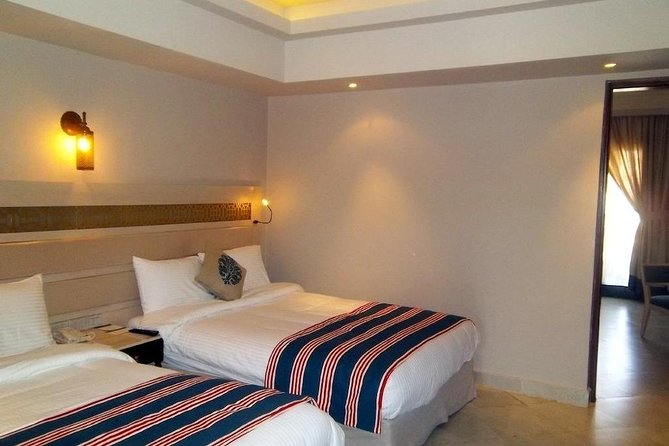
At $750 per person, this package is not a bare-bones Nile sailing. It combines three nights on a five-star cruise with road transport, meals, an Egyptologist guide, Abu Simbel, the main temples between Aswan and Luxor, a Nubian village visit, and a balloon flight.
That bundle matters in Egypt. You are not piecing together a hotel in Aswan, a separate Abu Simbel transfer, a river cruise, and several temple visits. Pickup is offered from the Aswan airport, railway station, or hotel, and the final transfer can go to Luxor East Bank hotels, the railway station, or the airport.
The price still requires careful budgeting. Entrance fees to the advertised sights are not included. The small motorboat to Philae is also extra, and you pay for water, other drinks, Wi-Fi, laundry, and personal expenses. Tipping for the guide, drivers, cruise crew, and other service staff is not included either.
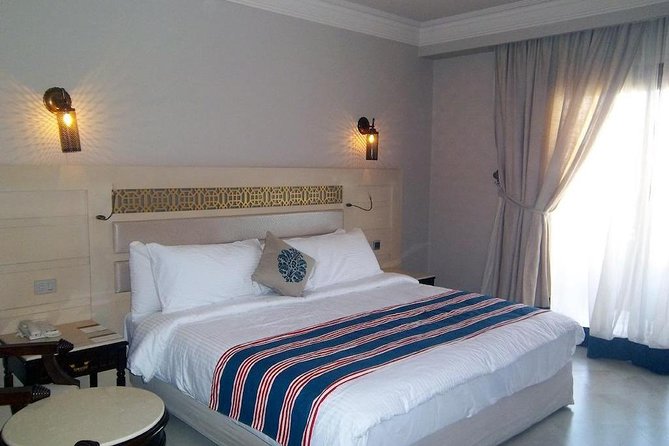
You should also know that the cruise is described as five-star, but the ships can feel dated. That does not cancel the value of sleeping on the Nile, but it changes the expectation. Think comfortable transportation and a floating base for sightseeing, not a polished modern resort.
More Abu Simbel and Balloon Tours in Aswan:
- 4-Days Nile Cruise From Aswan To Luxor including Abu Simbel and Hot Air Balloon
★ 5.0 · 3,142 reviews - 4-Day 3-Night Nile Cruise from Aswan to Luxor&Abu Simbel+Balloon
★ 5.0 · 2,023 reviews - 4-Day 3-Night Nile Cruise from Aswan to Luxor including Abu Simbel, Air Balloon
★ 4.5 · 612 reviews
Day one: Aswan, Philae, and a Nubian welcome
Your guide meets you in Aswan and takes you by air-conditioned vehicle to the ship. Cruise check-in is scheduled around noon, but if you arrive early, the sightseeing can begin before check-in rather than leaving you waiting in a lobby.
The first stop is the Aswan High Dam, completed in 1960 to help control flooding and generate electricity. It is a brief stop of about 45 minutes, and the admission fee is extra. The dam is less ornate than the temples ahead, but it gives you useful context for the modern Nile and the changes made to manage its waters.
Next comes Philae Temple, a graceful Graeco-Roman complex dedicated to Isis. You reach it by small motorboat, an extra cost that is easy to overlook when comparing prices. Allow about two hours for the temple visit and boat transfer.
Philae’s setting on an island makes it feel different from the huge temple compounds later in the trip. The boat ride also gives you an early look at the Nile from water level, rather than from the cruise deck. Keep some cash available for this part, since the motorboat is not included.
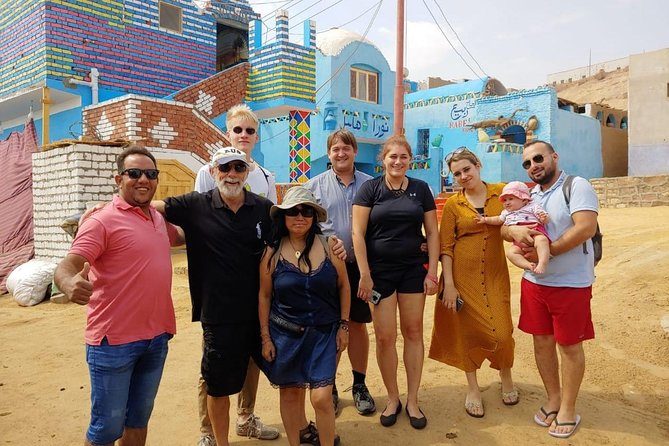
After lunch, the pace becomes gentler. You take a motorboat toward Soheil Island, with time to look at the river scenery before reaching a Nubian village. A local family offers a welcome drink, and your guide helps explain customs and daily life as you walk through the village.
This is one of the most useful parts of the program for anyone who wants more than ancient stones. The visit is built around a real family home and conversation, rather than a quick photo stop. It lasts about three hours, so you have time to slow down after the morning’s formal sightseeing.
The day ends back on the ship. You get a taste of Aswan’s modern engineering, temple art, island scenery, and Nubian culture before the cruise has even begun in earnest.
Day two: the early road to Abu Simbel
The Abu Simbel departure is the hardest wake-up call of the trip. Pickup is around 4:30 a.m., and the excursion uses a shared group bus or minibus. The full outing takes roughly eight hours, including the road journey and temple visit.
Abu Simbel is worth this effort. Ramesses II’s temples were cut into the rock and decorated on a scale meant to impress anyone approaching them. The complex includes the great temple of Ramesses II and the smaller temple linked with Queen Nefertari, whose place beside the king is one of the site’s special features.
The small-group arrangement is helpful once you arrive. Rather than simply being dropped at the entrance, you explore with a guide who can explain the royal imagery, temple purpose, and major details. The exact guide may vary, but the strongest feedback consistently centers on guides such as Mohamed Wafa, Mohamed el Khady, Ahmed, Hany Soliman, and Sabry for careful attention and strong historical explanations.
You return to the cruise around noon for lunch, then sail toward Kom Ombo. This is a good moment to rest. The combination of an early start, a long road trip, and heat around the temples can catch up with you quickly.
Kom Ombo is unusual because it is a double temple, dedicated to Sobek, the crocodile god, and Horus, the falcon god. Its paired design gives the guide a clear way to explain how two divine traditions could share one complex.
After dinner, the ship continues toward Edfu for the night. Sailing after the temple visit is one of the pleasures of the schedule. You are not repacking every night, and the river becomes your route between major sites.
Day three: Edfu by horse carriage and Luxor by night
After breakfast, you travel by horse carriage to the Temple of Horus at Edfu. The ride is part of the transport arrangement, and the temple itself is considered one of Egypt’s most complete and best-preserved ancient temples.
Give this stop about two hours. The scale and condition of the site make it easier to picture how a temple complex worked, from its massive entrance to its inner rooms. Your guide can help you read the carved scenes instead of treating the visit as a walk past impressive walls.
Back aboard, the cruise continues toward Luxor. Lunch is served on the ship, and the afternoon offers time on the sundeck, afternoon tea, and views along the Nile. The ship crosses the Esna Lock, a practical piece of river travel that breaks up the sightseeing with a look at how the cruise moves between different water levels.
The ship reaches Luxor late in the afternoon. After docking, you visit Luxor Temple on the East Bank. This is an excellent evening stop because the temple has layers from ancient Egyptian, Christian, and Islamic periods, all within one site.
The Egyptologist guide is especially valuable here. A good explanation helps you see the temple as a place that changed over time, not just a row of columns and statues. The planned visit lasts about an hour, followed by dinner aboard ship and a belly-dancing show.
The third day is less frantic than the second, but you should still save energy for the final morning. The balloon pickup comes early, and the West Bank visits continue after breakfast and checkout.
More Hot Air Balloon Rides in Aswan:
- From Aswan: 3-Day Cruise to Luxor with Hot Air Balloon
★ 4.3 · 598 reviews - 4-Days Nile Cruise From Aswan To Luxor including Abu Simbel and Hot Air Balloon
★ 4.5 · 509 reviews - 4 Days Nile Cruise from Aswan to Luxor including Abu Simbel and Hot Air Balloon
★ 4.5 · 356 reviews - 4-Day 3-Night Nile Cruise from Aswan to Luxor With Balloon and Abu Simbel
★ 5.0 · 327 reviews
Day four: a balloon over Luxor, then the West Bank
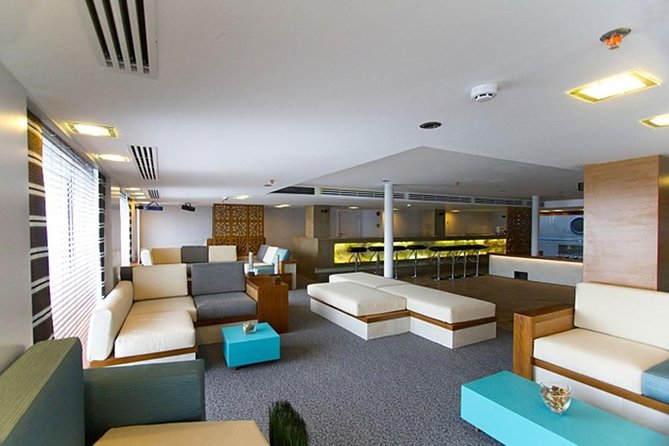
The hot-air balloon flight begins with pickup around 5:30 to 6 a.m. The flight itself lasts about 30 to 40 minutes, giving you a high view of Luxor’s open-air monuments, the surrounding mountains, and the morning light spreading across the area.
You cannot take a camera on the balloon trip, but cellphone photography is allowed. That rule is worth noting if you are choosing equipment for the morning. The flight is also weather dependent. If it is canceled because of bad weather, the refund is $30 per person.
After the flight, you have breakfast and check out before visiting the West Bank. The Valley of the Kings takes about two hours. Here, royal tombs were cut into the mountains during Egypt’s New Kingdom, with the aim of protecting royal burials and their contents.
Entrance fees are extra, and the number of tombs open can vary. The package promises the Valley of the Kings visit, but it does not include the admission cost, so set aside money for all the sites on this day.
The Temple of Hatshepsut at Deir el Bahari follows. Its broad terraces and cliff setting make it one of Luxor’s most recognizable monuments. Your guide can explain the story of Hatshepsut and her nephew, which adds political detail to the stonework.
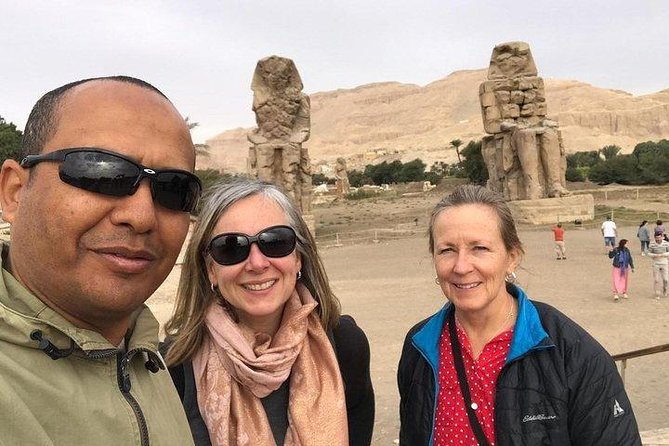
At the Colossi of Memnon, the schedule calls for a photo stop in front of the huge statues. It is brief, but it works well as a final West Bank pause before lunch. A local restaurant lunch is optional, so confirm the price before sitting down.
The final major stop is Karnak Temple on the East Bank. Built and expanded over about 2,000 years, the complex covers roughly 63 acres. You have around 90 minutes here, enough to see the main avenues, pillars, and obelisks, though not enough to inspect every corner.
The tour ends around 4 p.m. at a Luxor hotel, airport, or railway station. An evening departure is recommended. If you are staying on the West Bank, a $10-per-person transfer supplement applies.
The guide can make or break the temples
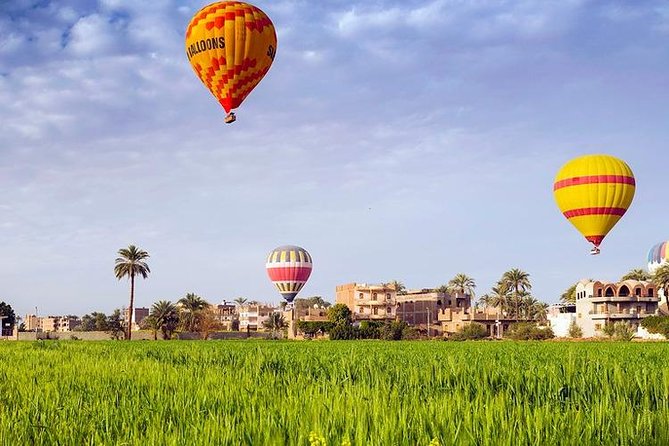
The cruise route is fixed, but the quality of the explanations depends heavily on your Egyptologist guide. The strongest praise is aimed at guides who combine detailed history with practical care.
Mohamed Wafa is noted for going beyond basic commentary and helping with personal needs. Mohamed el Khady is described as friendly, informative, and attentive to what people want to do. Ahmed is praised for making the temple visits both educational and good-humored, while also helping with practical matters such as a charging adapter and train arrangements.
Hany Soliman is another name to request if available. He is particularly associated with making the cruise memorable through personal attention. Sabry is also described as attentive, honest, and responsible.
Guide assignments can change, so treat these names as useful requests rather than a guarantee. The important point is to ask for an Egyptologist guide who can explain the sites in depth and help you manage the early starts, transfers, and optional costs.
What life aboard the ship is really like
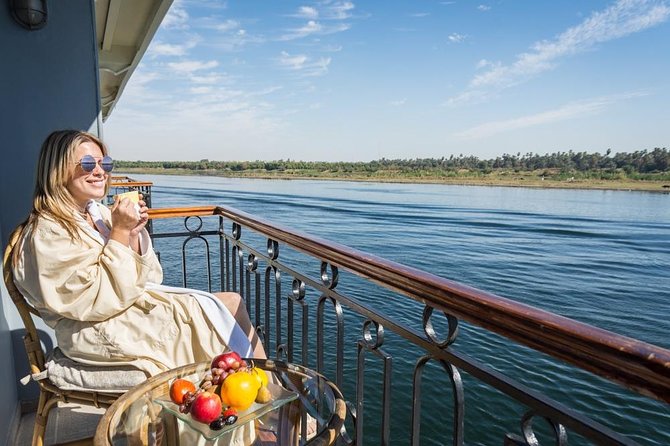
Three nights of full-board accommodation means breakfast, lunch, and dinner are included each day. You also get a cabin aboard the Nile cruise rather than changing hotels between Aswan and Luxor.
The cruise gives you breathing room between monuments. You can sit on the sundeck, watch the river scenery, have afternoon tea, and let the ship handle the movement north. That is a real benefit after Abu Simbel and the repeated temple walks.
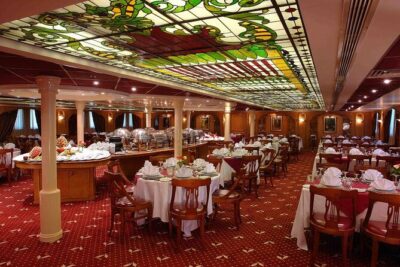
Do not expect every ship feature to feel new. The vessels can be outdated, and the food is generally described as good but not a major reason to book. Drinks and water are extra, as is Wi-Fi, so ask about current onboard charges before settling in.
The sailing order can change because of river conditions and ship schedules. Sunday and Thursday departures may sail toward Kom Ombo early on the third day, around 5 a.m., which can rearrange the order of the excursions. The listed sights are still intended to be covered, but the sequence may shift.
Who should book this experience
I would choose this package if you want one organized route through Upper Egypt and do not want to arrange every transfer separately. It suits first-time visitors who value a guide, prefer a set schedule, and want the major sights plus two unusual additions: a Nubian family visit and a balloon flight.
It also suits people who want Abu Simbel but do not want to spend an extra night there. The road trip is long, yet the cruise connection makes it possible to see the temples without adding another hotel move.
This is less suitable if you need a relaxed holiday pace, dislike pre-dawn departures, or expect modern luxury from a five-star cruise. It may also feel expensive if you assume all entrance fees and drinks are covered. Add those costs before comparing it with a hotel-based itinerary.
Children can join under the stated conditions. Children under six cannot take the balloon flight, and a child aged five to eleven accompanied by one adult is charged as an adult. A child rate applies only when sharing with two paying adults.
The tour accepts a maximum of 20 people, though Abu Simbel uses shared transport. A valid passport is required on the day of the experience. Free cancellation is available up to 24 hours before the start time, but changes or cancellations inside that window are not refunded.
Should you book the Aswan to Luxor cruise?
Book it if you want maximum sightseeing with minimum trip planning, and if you can handle early mornings. The route covers the major temples, adds Abu Simbel, gives you time with a Nubian family, and finishes with a memorable view over Luxor.
Before paying, budget for entrance tickets, the Philae motorboat, drinks, Wi-Fi, tips, and the optional lunches and transfers. Then request a strong guide, arrive in Aswan before 10 a.m. if possible, and schedule your flight or train from Luxor for the evening.
For an Egypt first visit, the $750 price can be good value because the cruise, meals, transport, guiding, and several major excursions are bundled together. Just book it for the access and the route, not for flawless ship polish or a leisurely timetable.
FAQ
How long is the cruise from Aswan to Luxor?
The experience lasts about four days and includes three nights aboard a Nile cruise.
What is included in the cruise accommodation?
You receive three nights aboard a five-star Nile cruise on a full-board basis.
Are meals included?
Yes. Three breakfasts, three lunches, and three dinners are included.
Is Abu Simbel included?
The Abu Simbel excursion is included, with shared group transport by bus or minibus. Entrance fees to the temple are extra.
What time does the Abu Simbel excursion begin?
Pickup is scheduled for around 4:30 a.m., with a return to the cruise around noon.
Is the hot-air balloon ride included?
Yes. The balloon flight is included and lasts about 30 to 40 minutes. It is not available to children under six.
What happens if the balloon flight is canceled?
If bad weather cancels the balloon trip, you receive a $30-per-person refund.
Is the Nubian village visit included?
Yes. The visit includes a motorboat trip to Soheil Island, a welcome drink at a Nubian family home, time to learn about local customs, and a guided walk around the village.
Are entrance fees included?
No. Entrance fees for the listed sightseeing stops are extra. The motorboat to Philae is also not included.
Where does the tour end?
The tour ends in Luxor around 4 p.m. Drop-off is available at Luxor Airport, the railway station, or hotels on the East Bank. A West Bank hotel transfer costs an additional $10 per person.
New this week over Aswan
- 4-Days Nile Cruise From Aswan To Luxor Abu Simbel and Air Balloon★ 4.5 · 2 reviews
- (3-Nights Cruise From Aswan To Luxor & Balloon, Abu Simbel)★ 4.5 · 23 reviews
- 4 Days Nile Cruise &Hot Air Balloon on M/S Movenpick Royal Lilly★ 5.0 · 4 reviews
- 4-Day Nile Cruise: Aswan to Luxor & Abu Simbel + Hot Air Balloon★ 4.5 · 35 reviews
- Luxor: 4-Night Nile cruise , Hot Air balloon , west bank , abu simbel★ 5.0 · 3 reviews
- 8 Nights Egypt Tour,Cairo,Luxor,Aswan&Abu Simbel,Nile Cruise,Hot Air Balloon★ 4.5 · 11 reviews
- Amazing 2 Nights Cruise From Aswan to Luxor including Tours and Hot Air Balloon★ 5.0 · 5 reviews
- 3-Nights Cruise From Aswan To Luxor, Hot Air Balloon,Abu Simbel★ 4.5 · 46 reviews
Aswan Hot Air Balloon Rides, compared.
4-Days Nile Cruise From Aswan To Luxor including Abu Simbel and Hot Air Balloon
Read our review →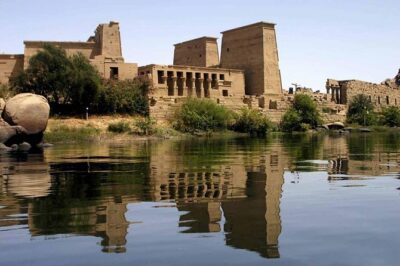
4-Day 3-Night Nile Cruise from Aswan to Luxor&Abu Simbel+Balloon
Read our review →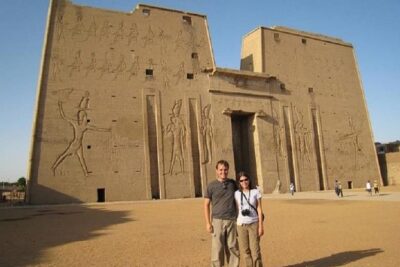
4-Day 3-Night Nile Cruise from Aswan to Luxor including Abu Simbel, Air Balloon
Read our review →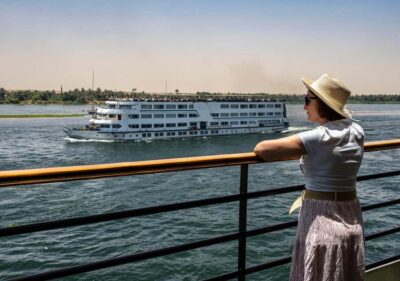
4-Days Nile Cruise From Aswan To Luxor including Abu Simbel and Hot Air Balloon
Read our review →4 Days Nile Cruise from Aswan to Luxor including Abu Simbel and Hot Air Balloon
Read our review →
4-Day 3-Night Nile Cruise from Aswan to Luxor With Balloon and Abu Simbel
Read our review →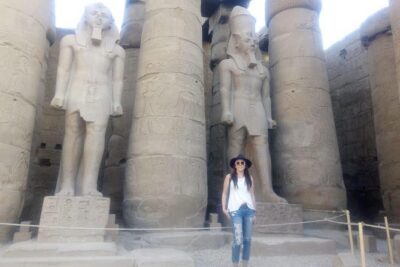
4-Days Nile Cruise Aswan&Luxor,Hot Air Balloon&Abu Simbel.Hot deal
Read our review →Lists this flight appears in